The 2025 International Orthodontic Congress marks the first WFO Congress to be held in Latin America, in a host city renowned globally for its sophisticated amenities and natural beauty so distinctive that it has been designated a World Heritage Site. Rio de Janeiro is internationally recognized as the home of the iconic Christ the Redeemer statue, the backdrop of numerous films, and host of major events such as the 2007 Pan American Games, the 2016 Summer Olympics and Paralympics, and the International Broadcast Centre for the 2014 FIFA World Cup. This vibrant city embodies key elements of Brazilian culture, including warm Latin-American hospitality, festive, high-energy socializing, and a profound appreciation of nature.
While in Rio and beyond the lecture halls, IOC attendees and their guests will be able to experience attractions such as:
• Exotic plants and flowers at the Rio de Janeiro Botanical Garden, originally opened in 1808. The garden’s 800-yard-long rows of majestic royal palm trees, paired with a rainforest trail, an orchid house, and diverse wildlife including monkeys, are sure to captivate visitors.
• More natural wonder at the Tijuca Forest, among the largest urban hand-planted forests in the world. Home to hundreds of plant and animal species, the forest stretches across a mountainous area that includes Corcovado peak, where Christ the Redeemer stands. Hiking paths, 30 waterfalls, and unique features like the Mayrink Chapel and a pagoda-style gazebo enhance the forest’s distinct charm.
• A variety of beaches, from the lively and picturesque Copacabana, known worldwide and spanning a three-mile stretch filled with restaurants, shops, hotels, and bustling street fairs. Also famous, Ipanema Beach offers a carnival-like vibe where visitors can watch or join in volleyball, beach soccer, and surfing.
Other notable beaches include the family-friendly Leblon, featuring the Baixo Baby playground; Barra de Tijuca, a favorite among surfers for its ideal waves; and Grumari, a tranquil beach surrounded by a nature reserve.
• Aerial views of Rio’s splendor are accessible via a cable car ride to the top of Sugar Loaf Mountain, one of the city’s landmarks, or a train journey to the summit of Corcovado at the base of Christ the Redeemer, offering sweeping views of the city.
Expanding the journey: beautiful destinations beyond central Rio
For IOC attendees who can extend their stay in Rio de Janeiro before or after the congress (highly recommended), several locations a bit farther from the city center promise enjoyment, relaxation, and lasting memories.
• For a peaceful retreat, the island of Paqueta is ideal. Although technically part of Rio, it’s reached via a one-hour ferry ride across Guanabara Bay. Home to about 4,000 residents, Paquetá offers a tranquil setting with no motor vehicles. Visitors admire its colonial architecture and relaxed eateries celebrated for their seafood and traditional Brazilian dishes. Bicycles are available for rent, with scenic paths winding throughout the island.
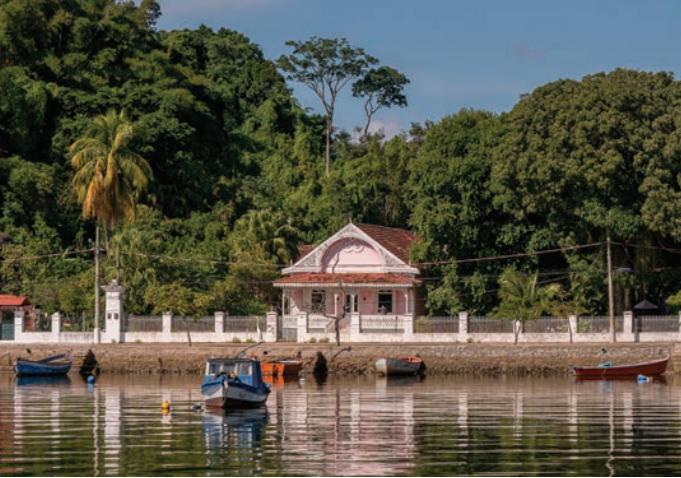
• For those drawn to boat tours and snorkeling, Paraty is a wonderful choice. Located on Rio’s southern coast, Paraty was once a prominent gold port. Today, visitors are drawn to its colonial-era buildings, cobblestone streets, and opportunities for snorkeling and boat excursions to tropical islands. The surrounding area also offers nature trails, including the popular Pedra que Engole, where adventurers can slide through a watery crevice into a hidden cave. Paraty also boasts a thriving arts scene, having attracted numerous writers, musicians, and artists.

Located in the mountains just outside Rio de Janeiro, Petropolis is a charming colonial town that once served as the summer residence of Dom Pedro II, Brazil’s last emperor. It features classic Portuguese architecture, most notably the Imperial Palace, and today it also attracts visitors with the Bohemia brewery, which offers popular guided tours.

About 96 kilometers (roughly 60 miles) northeast of Rio lies Teresopolis, a small, mostly residential town well-loved by nature enthusiasts. The area is renowned for its scenic hiking trails, secluded waterfalls, and mountaineering opportunities, with notable peaks such as Pedra do Sino, reaching 2,263 meters (7,425 feet), and Dedo de Deus at 1,651 meters (5,417 feet).

Off the coast of Rio, Ilha Grande—meaning “Big Island”—is famous for its unspoiled beaches, clear waters, and lush jungle trails. This car-free island is a favorite vacation spot for both locals and tourists. Adventurous visitors can hike up Pico do Papagaio, the island’s highest point, for sweeping views or relax on Lopes Mendes, considered one of Brazil’s most stunning beaches.

For those craving a big-city experience, São Paulo is an essential stop. Located about a five-hour drive from Rio, it’s a bustling metropolis known for its vibrant culinary scene, nightlife, and cultural diversity.
With nearly 12 million residents, São Paulo was ranked in 2024 as the most populous city in the Western Hemisphere within city limits. The city is home to the University of São Paulo, the B3 Latin American stock exchange, and several major financial hubs. Its rich cultural fabric is shaped by the world’s largest Arab, Italian, and Japanese diasporas, offering visitors a global blend of traditions and cuisine. Highlights include iconic parks, monuments, and museums such as Ibirapuera Park, the Latin American Memorial, the São Paulo Museum of Art, Museum of Ipiranga, and the Museum of the Portuguese Language, among many others.